












You're losing customers before they even complete checkout. Not because your product isn't good or your pricing is off, but because their legitimate payments keep getting declined. The average online business loses around 10-15% of potential revenue to failed transactions, with some industries seeing rates as high as 17%.
That's money walking out the door, and most merchants don't even realize it's happening.
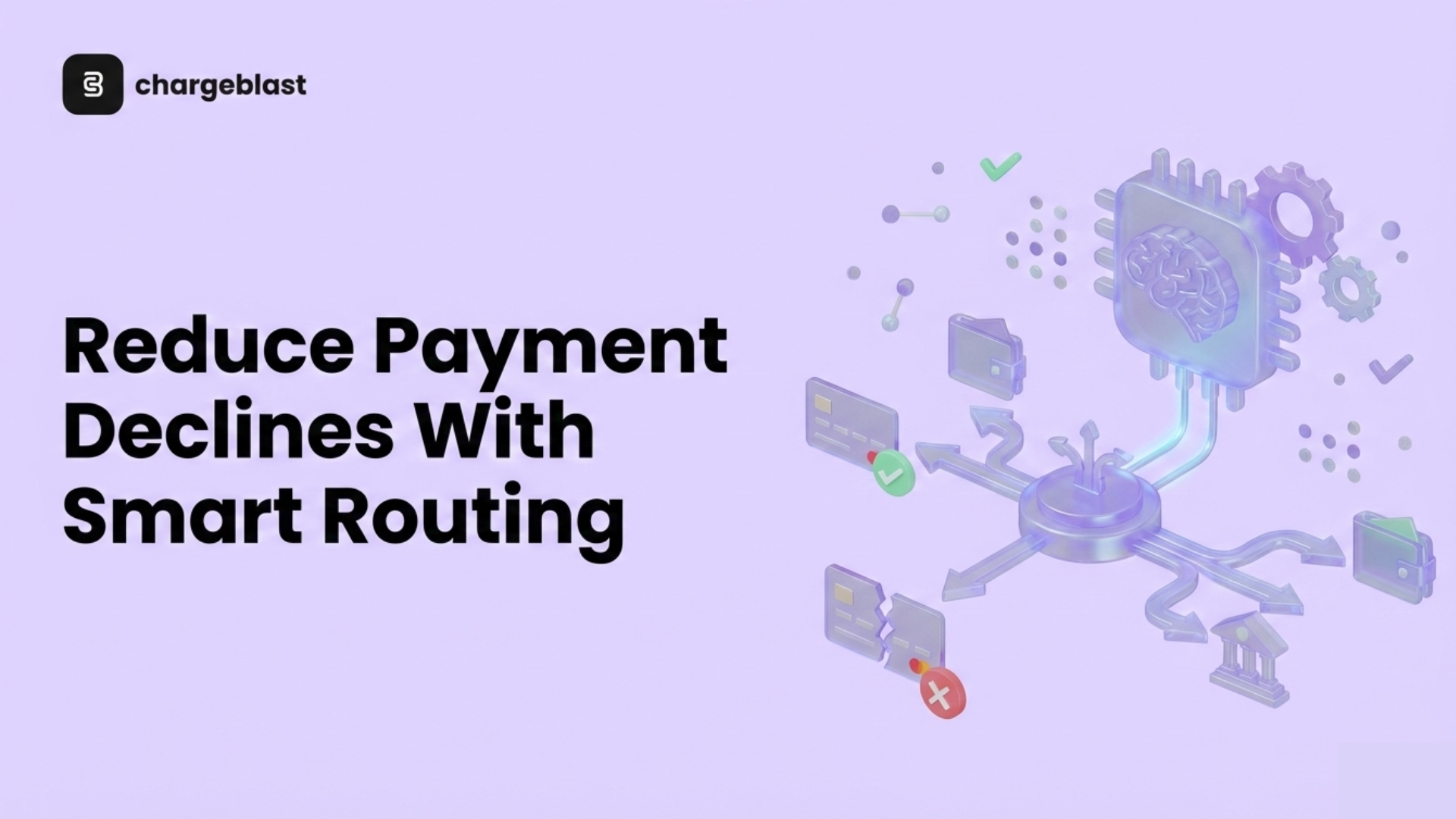
Smart payment routing changes that equation by directing each transaction through the path most likely to succeed. Think of it as GPS for your payments, constantly recalculating the best route to approval.
Understanding Payment Routing and Why It Matters
Payment routing is how your business decides which payment processor handles each transaction. Instead of sending every payment through one processor and hoping for the best, you're strategically choosing the optimal path based on specific transaction characteristics. This approach directly addresses payment declines by matching each transaction with the processor most likely to approve it.
Most businesses using a single processor face a significant challenge: that processor might excel at certain transaction types while struggling with others. Payment orchestration platforms solve this by automatically routing different transaction types to processors that handle them best. The result is fewer declines, happier customers, and more completed sales.
Merchants using strategic routing can reduce payment declines by 5-12%, which translates to substantial revenue recovery. When you multiply that across thousands of transactions, you're looking at serious money staying in your business instead of evaporating at checkout.
Card Type Routing: Matching Cards With the Right Processor
Different payment processors have varying acceptance rates depending on card networks. Your processor might handle Visa transactions better than American Express, or vice versa. Card type routing automatically directs each transaction to the processor with the highest historical approval rate for that specific card network.
Here's how it works in practice:
- Analyze your historical transaction data to identify which processors perform best for each card type
- Route American Express cards to your processor with the strongest Amex relationships
- Send Visa and Mastercard transactions to processors optimized for those networks
- Direct Discover cards through your most reliable Discover processor
This strategy can increase payment acceptance by directing transactions to processors that specialize in specific card networks. You're playing to each processor's strengths instead of forcing all transactions through a one-size-fits-all solution. The system learns over time which routes work best and adjusts automatically.
Geographic Routing for International Transactions
Cross-border transactions face unique challenges. Foreign-issued cards often get flagged as high-risk by processors that don't specialize in international payments. Geographic routing addresses this by sending international transactions to processors with strong connections to specific regions or countries.
Smart geographic routing considers these factors:
- Customer's billing address country
- Card-issuing bank location
- Currency type and conversion requirements
- Regional processor relationships
A European customer using a French card will route to your processor with strong European banking relationships, while a domestic US transaction goes through your primary US processor. This targeted approach reduces false declines that happen when international cards hit processors optimized only for domestic transactions. Processors with local acquiring capabilities can significantly improve approval rates for cross-border purchases.
BIN-Based Routing for High-Risk Card Ranges
Bank Identification Numbers tell you a lot about a card before processing. Some BIN ranges have higher decline rates due to issuing bank policies, card types (prepaid vs. credit), or historical fraud patterns. BIN-based routing identifies these characteristics and directs transactions to processors better equipped to handle them.
You can set up routing rules that recognize prepaid cards, corporate cards, or cards from banks with strict authorization policies and send them to specialized processors. For example, prepaid Visa cards might route to a processor that maintains strong relationships with prepaid card issuers, improving approval odds. This level of payment orchestration helps you avoid the generic processing that leads to unnecessary declines.
Testing different processors for various BIN ranges takes time but pays off. You'll discover that certain processors handle specific card types significantly better than others, giving you actionable data to refine your routing strategy continuously.
Learn how Chargeblast's alert system works alongside smart routing to prevent chargebacks.
Amount-Based Routing for High-Ticket Purchases
Transaction size matters when it comes to approvals. High-value purchases trigger different risk assessments than small transactions, and not all processors handle large amounts equally well. Amount-based routing sends high-ticket purchases to processors with higher authorization limits and better relationships with banks that approve big transactions.
Consider implementing these rules:
- Transactions under $100 route to your standard processor
- Purchases between $100-$500 go to your mid-tier processor
- High-ticket items over $500 route to your premium processor
This strategy prevents situations where a processor declines a $1,000 purchase that another processor would've approved instantly. Luxury goods retailers, electronics sellers, and B2B merchants benefit significantly from amount-based routing. Payment declines on high-value transactions hurt more than small ones, making this routing strategy particularly valuable for protecting your biggest sales.
Customer History Routing: Trust-Based Processing
Your repeat customers shouldn't face the same scrutiny as first-time buyers. Customer history routing recognizes customers with proven payment records and routes their transactions to processors with higher acceptance thresholds. This approach rewards customer loyalty while reducing friction during checkout.
The system tracks customer behavior over time:
- First-time customers route to your most secure processor
- Customers with 2-5 successful purchases route to your standard processor
- Loyal customers with 5+ completed orders route to your high-acceptance processor
When someone has successfully completed ten purchases with you, their eleventh transaction doesn't need aggressive fraud screening that might cause a decline. This intelligent routing increases payment acceptance for your best customers while maintaining security for new or risky transactions.
Implementation: Building Your Routing Strategy
Getting started with payment orchestration doesn't require overhauling your entire payment infrastructure overnight. Begin by analyzing your current decline data to identify patterns. Which card types decline most often? Where are your international customers located? What's your average transaction value?
Start with one or two routing rules based on your biggest pain points. If you're losing lots of international sales, implement geographic routing first. If certain card types consistently decline, set up card type routing for those networks. Test your rules with a small percentage of transactions before rolling them out fully.
Monitor your results closely during the first 30 days. Track approval rates by routing rule, compare performance across processors, and adjust based on real data. Most businesses see measurable improvement in payment acceptance within the first month of implementing strategic routing.
Choosing the Right Payment Orchestration Platform
Not all payment orchestration platforms offer the same capabilities. Look for features like real-time analytics, easy rule configuration, automatic failover when a processor goes down, and support for multiple processors without complex integrations. The platform should make routing management simple, not add another layer of technical complexity.
Consider these factors when evaluating platforms:
- Number of supported payment processors
- Ease of setting up and modifying routing rules
- Quality of reporting and analytics
- Speed of implementing new processors
- Customer support and documentation
The right platform pays for itself quickly through reduced payment declines and increased revenue. Calculate your current monthly revenue lost to failed transactions, then compare that to the platform cost. The ROI becomes obvious pretty fast.
Maximizing Payment Acceptance Through Smart Routing
Smart routing isn't just a technical improvement, it's a revenue strategy. Every declined payment is a customer you've lost, possibly forever. Research shows that 25% of customers won't return after experiencing a payment decline, and 39% will abandon their cart immediately. They'll likely assume there's something wrong with your site or their information when the reality is just poor routing.
The merchants winning in today's competitive landscape aren't just accepting whatever approval rate their single processor gives them. They're actively managing their payment flow, testing different strategies, and continuously optimizing based on data. Payment declines will always exist, but they don't have to cost you 10-15% of your revenue.
Strategic payment orchestration fixes that problem by ensuring each transaction takes the path most likely to succeed. When you combine intelligent routing with proper fraud detection and customer communication, you're protecting revenue while maintaining security and trust.
FAQ: Smart Payment Routing Strategies
What causes most payment declines in e-commerce?
Insufficient funds account for about 44% of declines, while the rest stem from incorrect card information, fraud detection systems, or technical issues with processors.
How quickly can I see results from payment routing?
Most merchants see measurable improvements in payment acceptance within 2-4 weeks of implementing routing rules, with full optimization occurring over 2-3 months as the system learns from transaction data.
Do I need multiple payment processors to use routing?
Yes, effective payment orchestration requires at least two processors to route between. Most merchants start with 2-3 processors and add more as they identify specific needs.
Will routing increase my processing costs?
Processing fees vary by processor, but the revenue gained from reduced payment declines typically far exceeds any fee differences. Calculate your potential revenue recovery to determine ROI.
Can routing help with chargeback prevention?
Routing improves initial payment success but doesn't directly prevent chargebacks. However, reducing legitimate declines means fewer frustrated customers who might dispute charges later.
Stop Losing Revenue to Payment Declines
Chargeblast's chargeback alert platform integrates with your payment orchestration strategy to protect revenue from both declined payments and costly disputes. Our system catches potential chargebacks before they hit your merchant account, giving you time to resolve issues directly with customers.
We focus on prevention through real-time alerts from major card networks, helping you stop chargebacks before they happen. When you combine smart routing with proactive chargeback prevention, you're protecting revenue at both ends of the transaction lifecycle.
Ready to stop leaving money on the table? Book your demo today and see how much revenue you're currently losing to preventable payment issues.

