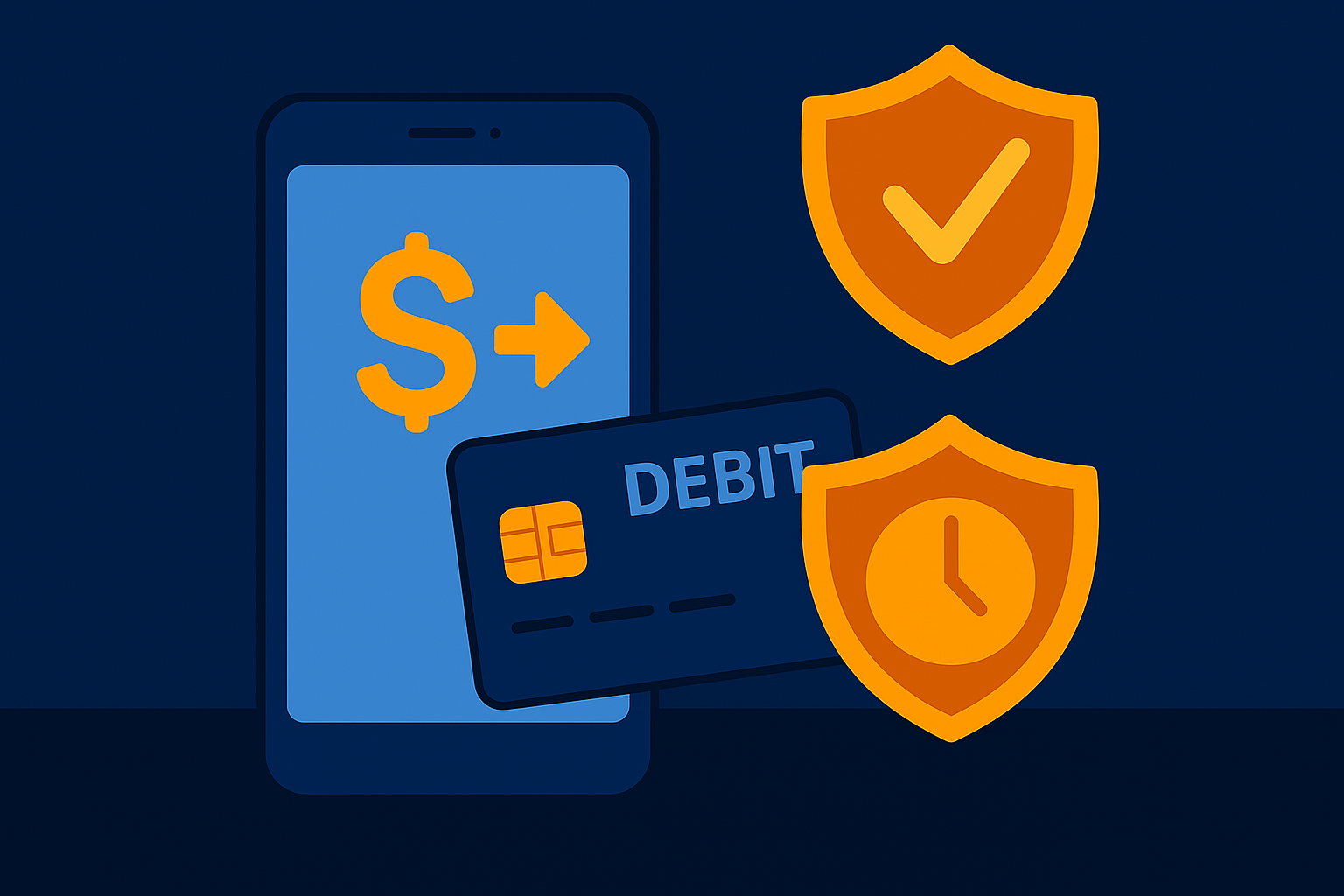
Push-to-debit has taken the lead as the most popular way to receive instant payouts. Around 70% of consumers now choose it when it's available. The trend is especially strong among gig workers, freelancers, and people receiving insurance payouts—groups that often rely on fast access to cash.
But as this method becomes more common, it brings a new set of issues for businesses handling these transactions.
Chargebacks Are Still a Problem
Push-to-debit transactions are considered safer than traditional debit purchases since they're initiated by the sender, not the cardholder. That lowers the risk of unauthorized use, but it doesn't eliminate chargebacks.
In 2023, U.S. consumers disputed more than $65 billion in card charges. For merchants, that translated to a total cost of roughly $243 billion once fees, lost goods, and time were factored in. Debit cards alone had a 5.93% chargeback rate, according to industry data. That's lower than credit cards, but still high enough to be a real concern.
Real-Time Payouts Raise Expectations
The Federal Reserve defines instant payments as transactions that clear in real time, around the clock, with funds available to the receiver immediately. With push-to-debit, that's the new standard. People expect their money right away, even on weekends or holidays.
To keep up, businesses need strong systems that can handle constant, around-the-clock payout requests. Falling behind isn't just an inconvenience anymore. It can cost trust and lead to negative reviews, especially in high-volume sectors like gig work and online marketplaces.
Refunds Aren't as Instant
Getting money to customers instantly is one thing. Taking it back when a refund is needed is something else entirely.
Push-to-debit refunds can take longer than the payout itself. Unlike credit card refunds, which often use more established return paths, push-to-debit reversals rely on newer infrastructure that's still catching up. As a result, customers expecting an instant refund might end up waiting days.
This gap between expectation and reality is one of the more frustrating issues for both sides. Merchants must tread carefully here and set clear refund timelines upfront.
Bottom Line
Push-to-debit is fast, convenient, and clearly in demand. But it comes with trade-offs. Higher consumer expectations, complex refund logistics, and lingering chargeback risks make it a double-edged sword for businesses.
If you're offering instant payouts, be ready. That means clear refund policies, solid fraud controls, and systems that can support real-time demands because once you offer speed, there's no going back.