












When a dispute comes in, it doesn’t matter how clear your evidence is, if the cardholder looks trustworthy, or if the bank sees the merchant as high risk. Sound unfair? It is. But that’s how issuers operate behind the scenes. If you’re not accounting for it, you’re probably losing winnable chargebacks.
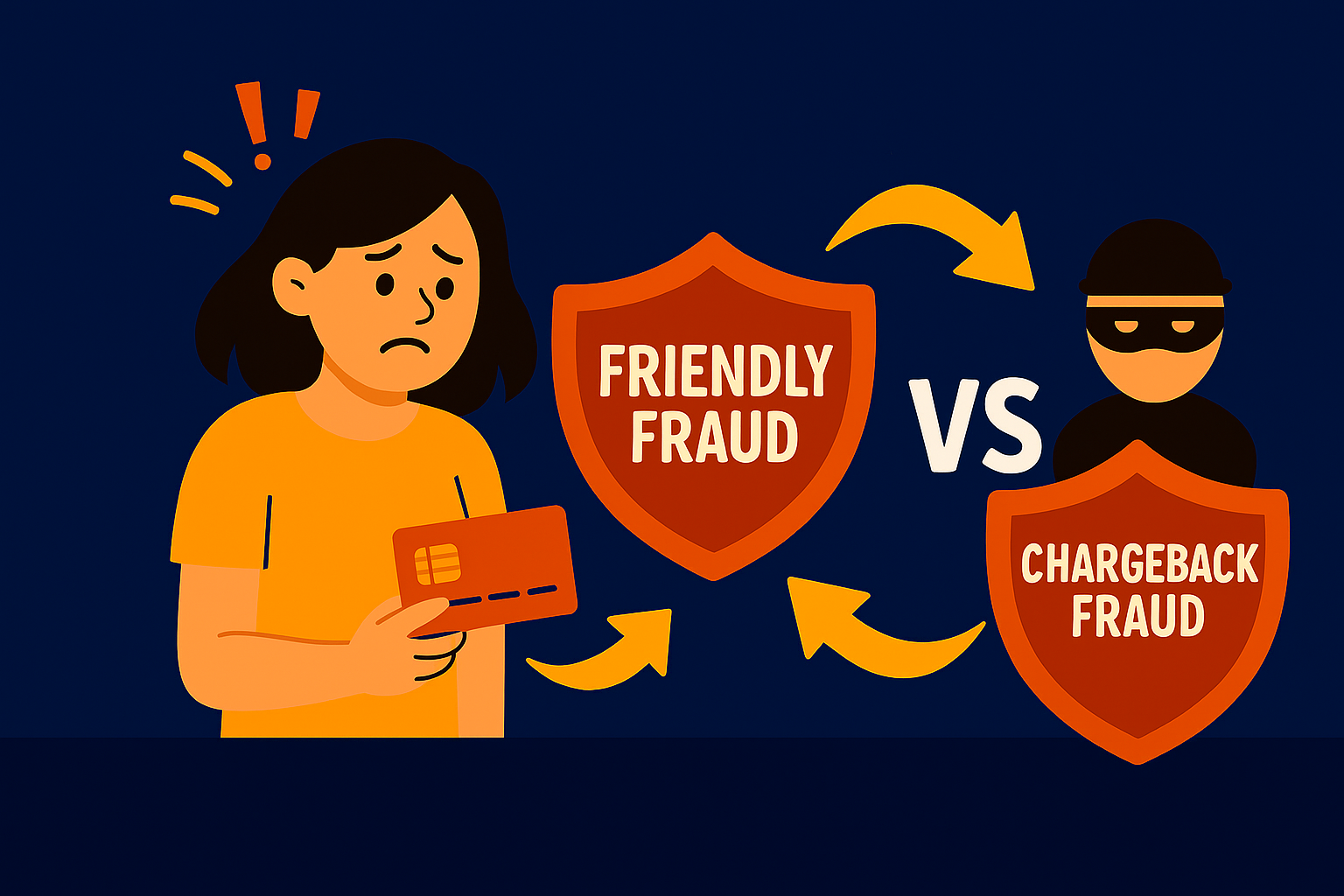
What’s the Difference Between Friendly Fraud and Chargeback Fraud?
Chargeback fraud is simple: the customer is lying to get their money back. It’s intentional, it’s criminal, and banks are supposed to penalize it.
Friendly fraud, on the other hand, is murkier. The cardholder might genuinely forget a purchase, misunderstand a return policy, or fail to recognize the descriptor on their statement. But they still file a chargeback, even though you did everything right.
The key distinction isn’t just about intent. It’s about how banks interpret the dispute.
And here’s the kicker: banks often lump both into the same “cardholder dispute” bucket. That means merchants are held liable in both cases unless they can convince the issuer otherwise.
Why Card Issuers Don’t Always Side with Merchants
Most merchants think that evidence decides the outcome. That’s not always true. Here’s what banks are actually looking at:
1. Cardholder History
If the cardholder has a long-standing relationship with the bank, minimal past disputes, and consistent spending patterns, the bank is more likely to trust them. Even if your evidence is solid, the issuer might flag it as “not compelling enough” compared to their internal trust score for the customer.
2. Dispute Volume and Risk Flags
Merchants with a high volume of chargebacks or those flagged in issuer risk systems are treated with more suspicion. Your case might be valid, but if your MID is on a watchlist or your industry has a high fraud rate, issuers lean toward the cardholder by default.
3. Evidence Formatting
The same documents, if submitted in a messy format or with missing details, can be ignored. Issuers don’t comb through every screenshot. They skim. If your timeline is unclear or your refund or refusal policy is buried in text, you lose credibility.
4. Chargeback Code Matching
Sometimes issuers auto-approve chargebacks that fit “friendly” categories like:
- Reason Code 13.1 (Visa) – Merchandise or Service Not Received
- Reason Code 10.4 (Visa) – Fraud Other (Card-Absent Environment)
- Reason Code 4853 (Mastercard) – Cardholder Disputes a Transaction
These codes allow wiggle room, and banks often default to the customer’s version of the story unless you shut it down clearly.
How Merchants Can Respond More Strategically
Don’t Just Prove It, Preempt Their Logic
It’s not enough to show proof of delivery or login logs. You need to walk the issuer through your reasoning. Explain:
- Why the cardholder likely received the service
- How their actions post-transaction confirm legitimacy
- What policies they accepted and when
Clean Up Your Representments
Use structured templates with clear headings:
- Purchase Details
- Customer Communication
- Policy Agreement
- Evidence of Use
Format matters. If it’s hard to scan, it’s hard to win.
Tailor Responses by Code
Don’t submit the same response for a fraud code and a service issue. Each reason code has unique criteria. Align your evidence and rebuttal directly to the rules tied to that code.
Track Bank Behavior
Some issuers have patterns. Maybe Bank A almost always rejects digital download evidence. Maybe Bank B weighs customer service logs heavily. Use this knowledge to adapt your templates.
Conclusion
Friendly fraud and chargeback fraud might look the same on paper, but the outcome hinges on what the bank believes, not what actually happened. Merchants who understand how issuers make these calls stand a better chance of keeping their revenue.
Don’t just submit evidence. Build a case that makes it harder for banks to side with bad behavior.
FAQ: Friendly Fraud vs Chargeback Fraud
What is friendly fraud vs chargeback fraud?
Friendly fraud happens when a customer disputes a charge without malicious intent, often due to confusion or forgetfulness. Chargeback fraud is deliberate and involves a customer knowingly filing a false dispute to get a refund.
Can banks tell the difference between friendly fraud and real fraud?
Usually not right away. Issuers rely on cardholder history, reason codes, and the format of your evidence to make a decision. They often treat both types of fraud the same unless your response makes the distinction clear.
Why do merchants lose friendly fraud disputes even with evidence?
Evidence alone doesn’t guarantee a win. If the issuer sees the cardholder as more trustworthy, or if your documentation is incomplete or unclear, they may still rule against you.
Do all banks treat disputes the same way?
No. Some issuers are stricter than others. The same case might win with one bank and lose with another, depending on internal policies, cardholder history, and how much time they spend reviewing merchant evidence.
What can I do to stop friendly fraud before it happens?
Clear billing descriptors, proactive customer service, and fraud detection tools help. But even with prevention in place, some disputes slip through. A solid chargeback strategy is still essential.
Outsmart Issuer Assumptions Before They Cost You
At Chargeblast, we don’t just help you fight chargebacks. We help you fight smarter. Our tools decode bank behavior, adapt representment strategies in real time, and format your evidence to win. When you understand how the system works, you stop playing defense and start taking control.
Learn how merchants are reducing friendly fraud losses by over 60% with Chargeblast by booking a demo below.

